Greener Rides, Brighter Days
Time Your Departures Wisely
Leaving ten minutes earlier or later can place you in smoother traffic waves or quieter train cars. That difference shrinks stop‑and‑go surges, reduces braking and acceleration, and calms the pulse. Try a one‑week experiment using your city’s live data, note energy saved, and celebrate every consistent, repeatable minute reclaimed.
Mix Modes for Maximum Impact
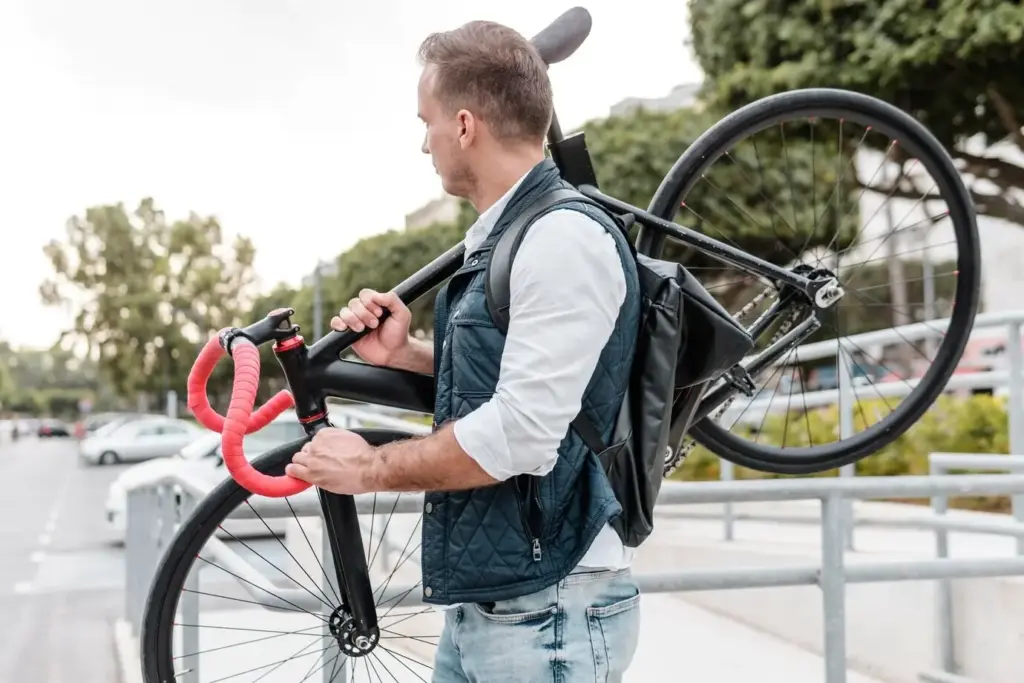
Combine walking, cycling, buses, and trains to shorten high‑emission segments and enjoy movement that doubles as light exercise. Folding bikes, secure lockers, and station bike rooms make transitions smoother. Start with one mixed commute each week, track mood and time, and invite a colleague to join your next try.
Bundle Errands into One Loop
Instead of scattering detours across several days, align errands with your regular route. Grouping stops reduces duplication, mileage, and packaging temptations from last‑minute purchases. Use a shared list app, prioritize local shops near transit nodes, and notice how planning grants clearer evenings and a lighter backpack.
Pack Light, Reuse Often
The Commuter Refill Kit

Leak-Proof Lunch That Loves the Planet
A Tote That Replaces Ten Bags
Small Tech, Big Savings
Battery-Savvy, Less Waste
Tickets, Passes, and Paperless Proof
Navigation That Reduces Emissions
Move with Intention
Walk the First or Last Kilometer

Try an E-Bike or Scooter Safely

Quiet, Clean, Considerate
Pack a small cloth to catch condensation and a lidded container for snacks; crumbs attract pests and extra cleaning trips. Keep calls brief or step off at terminals. Respect fragrances and space. These simple courtesies strengthen community trust, enabling fuller buses and trains with less friction.
Seat Choices with Purpose
Choose seats that speed flow: leave priority areas open when possible, keep bags off chairs, and shift toward exits before stops. Efficient movement reduces delays that ripple through lines, saving energy and time. Small choreography, repeated daily, adds surprising grace to crowded platforms.
Conversations that Multiply Good Habits
Ask a driver or attendant the best boarding practices, share a refill map with coworkers, or organize a casual ride‑together morning. Post your favorite tips below and subscribe for weekly ideas. Community knowledge spreads faster than posters, and your story might become someone’s turning point tomorrow.
Weather-Proof, Planet-Smart
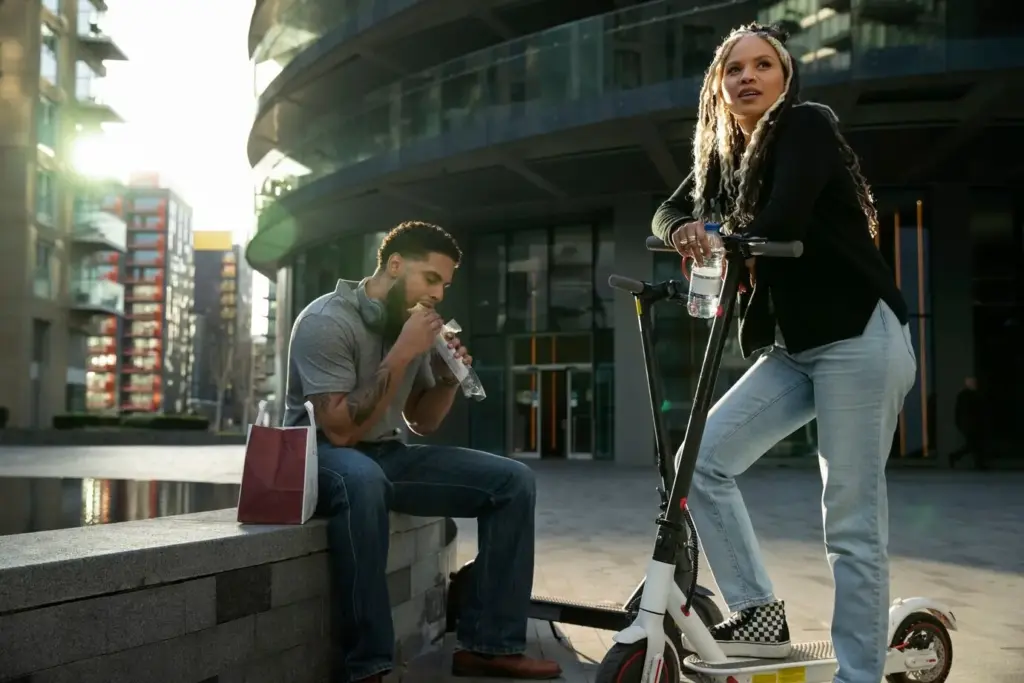
Rain-Ready Without Plastic Overload
Heat and Cold: Comfort the Efficient Way

Repair, Maintain, and Extend Your Gear
All Rights Reserved.